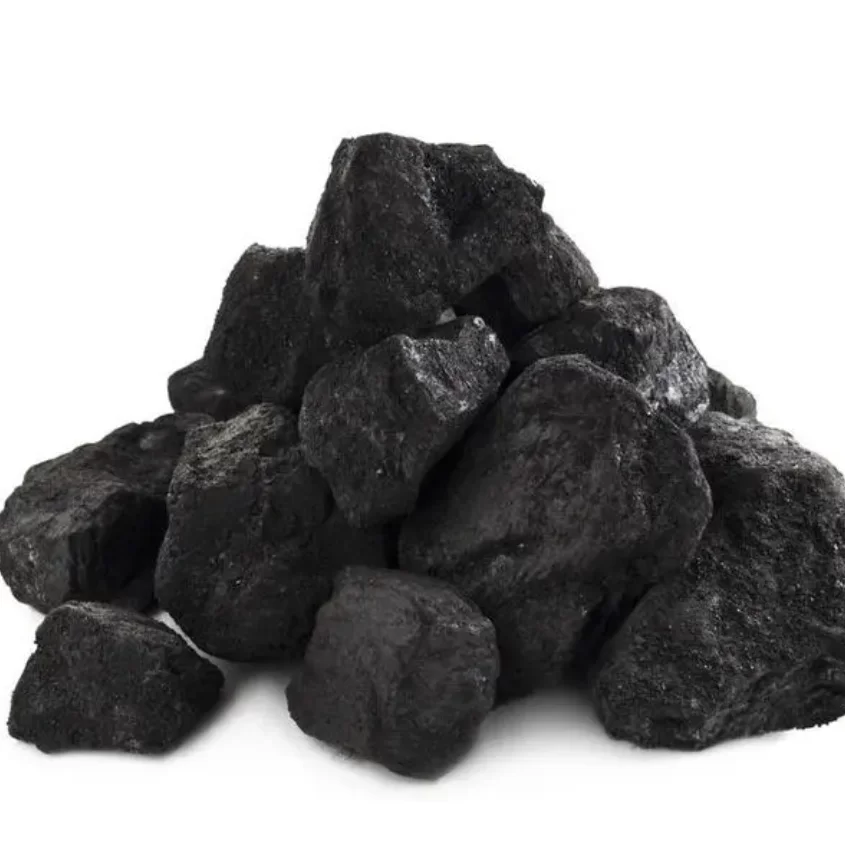
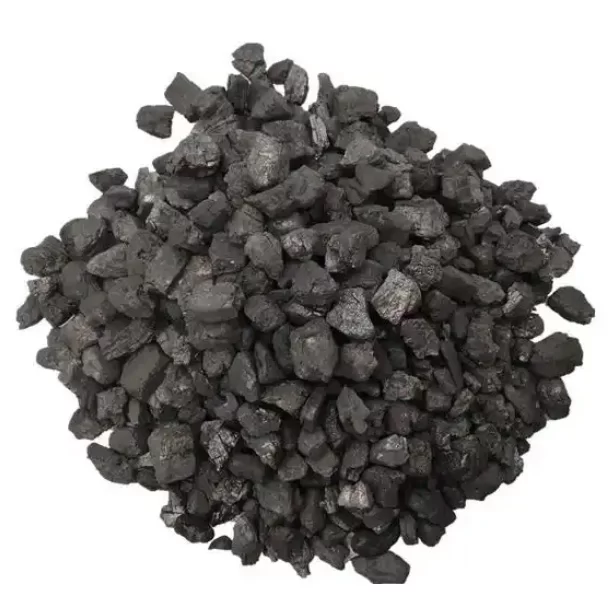
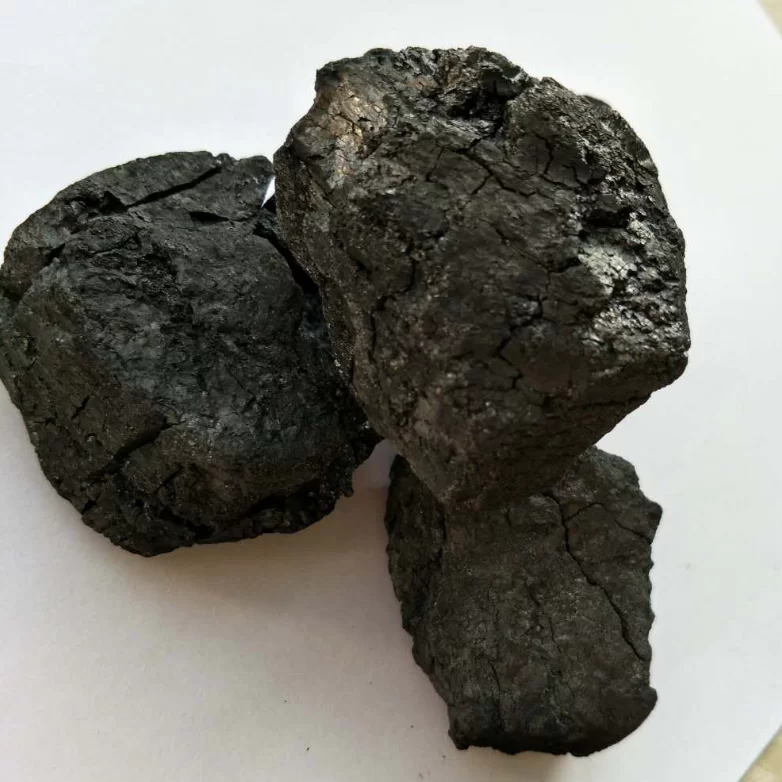
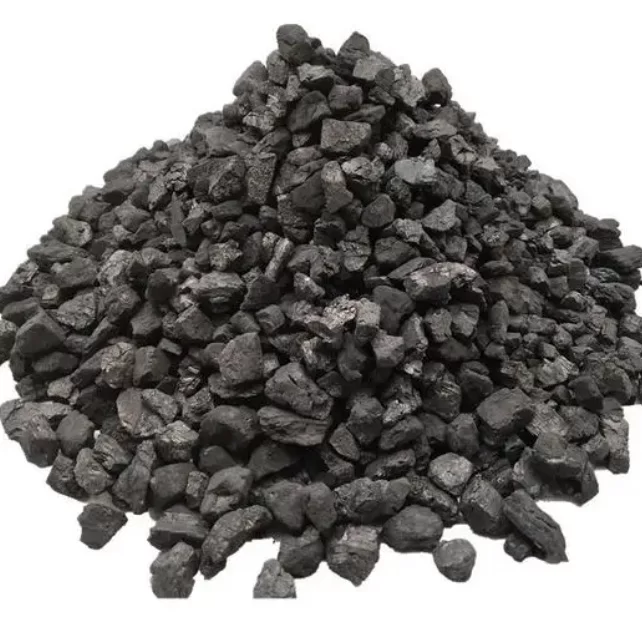
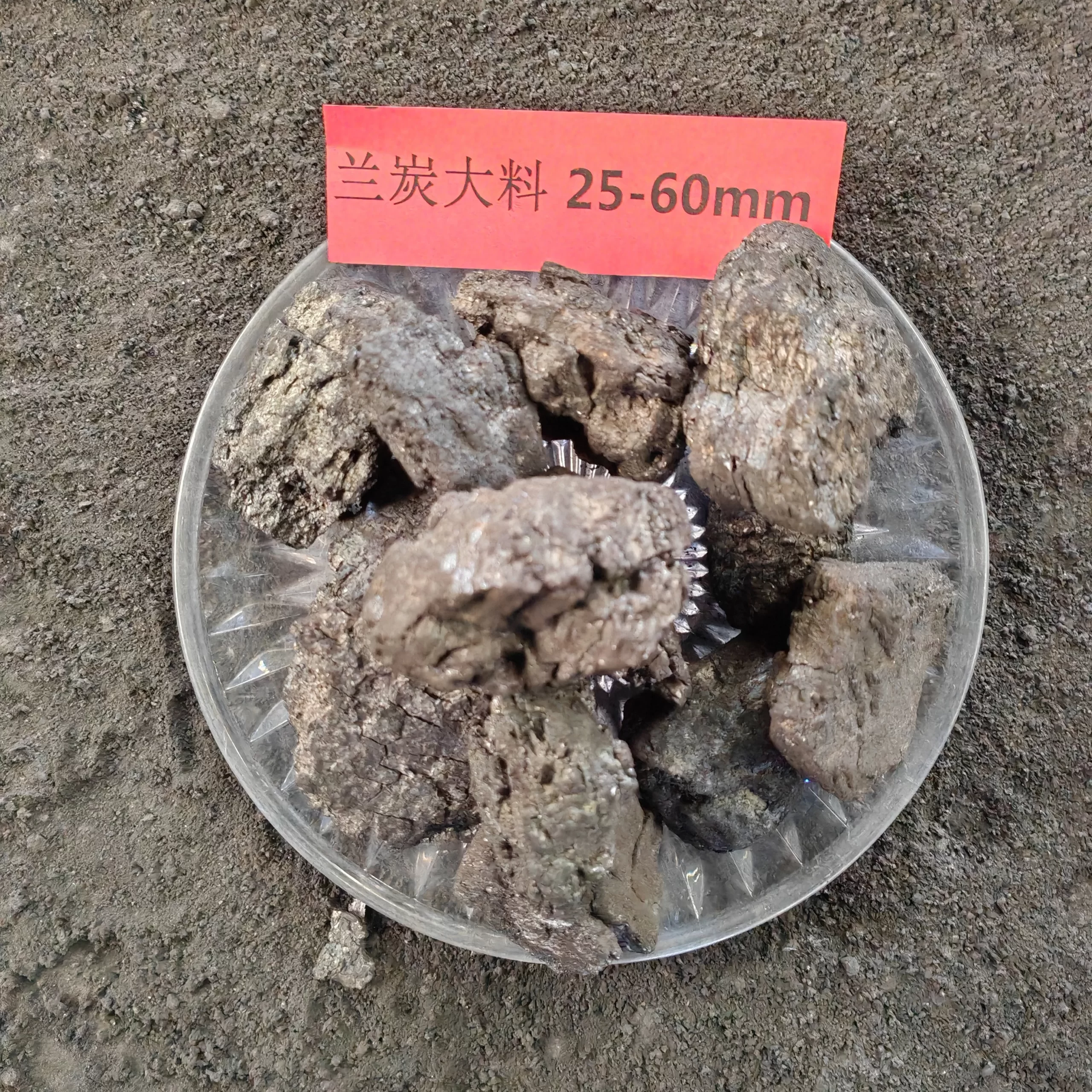
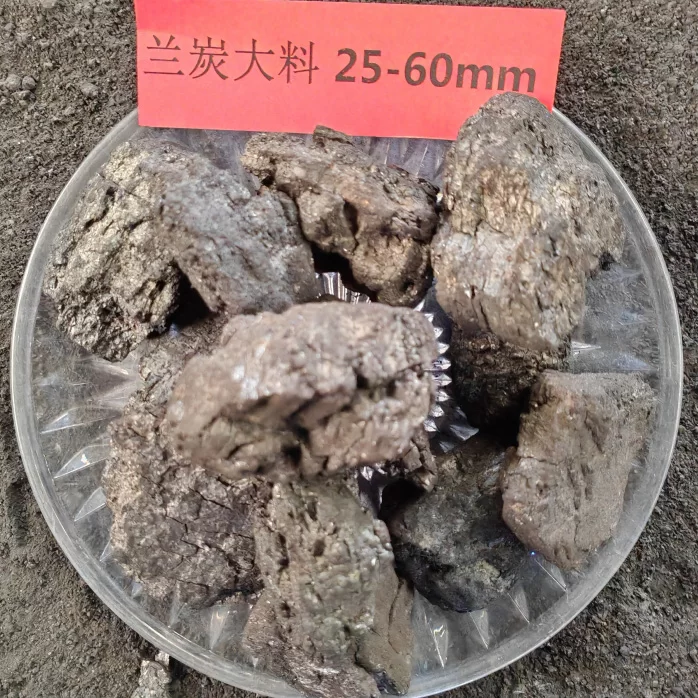
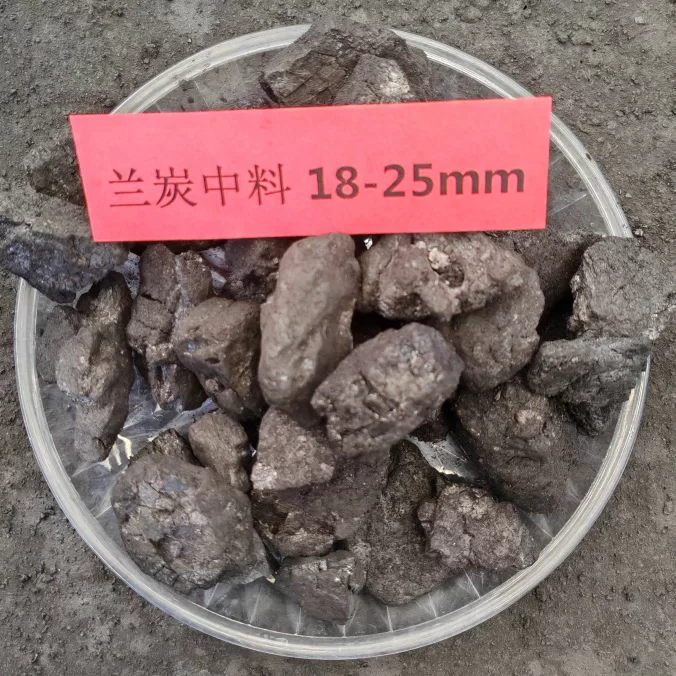
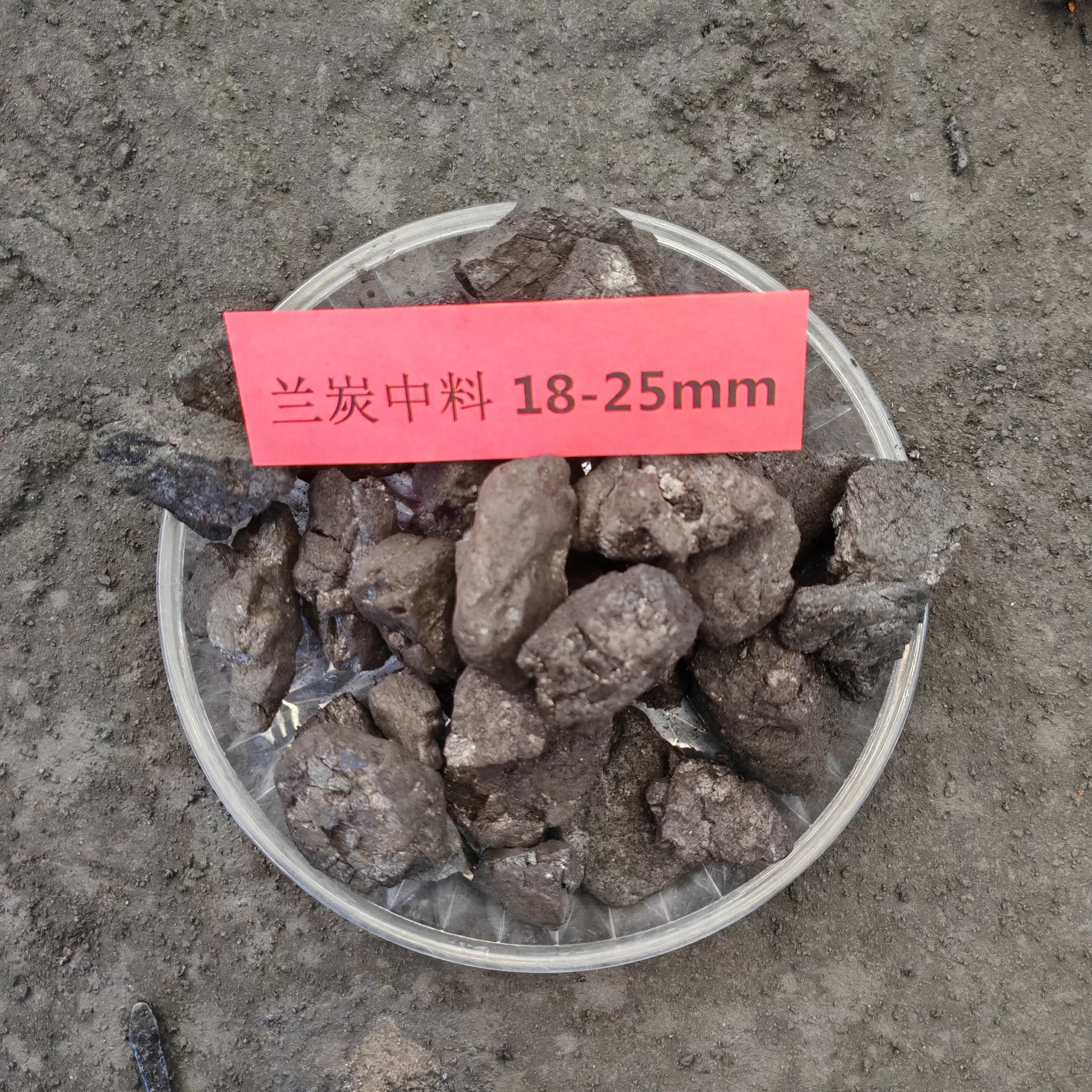
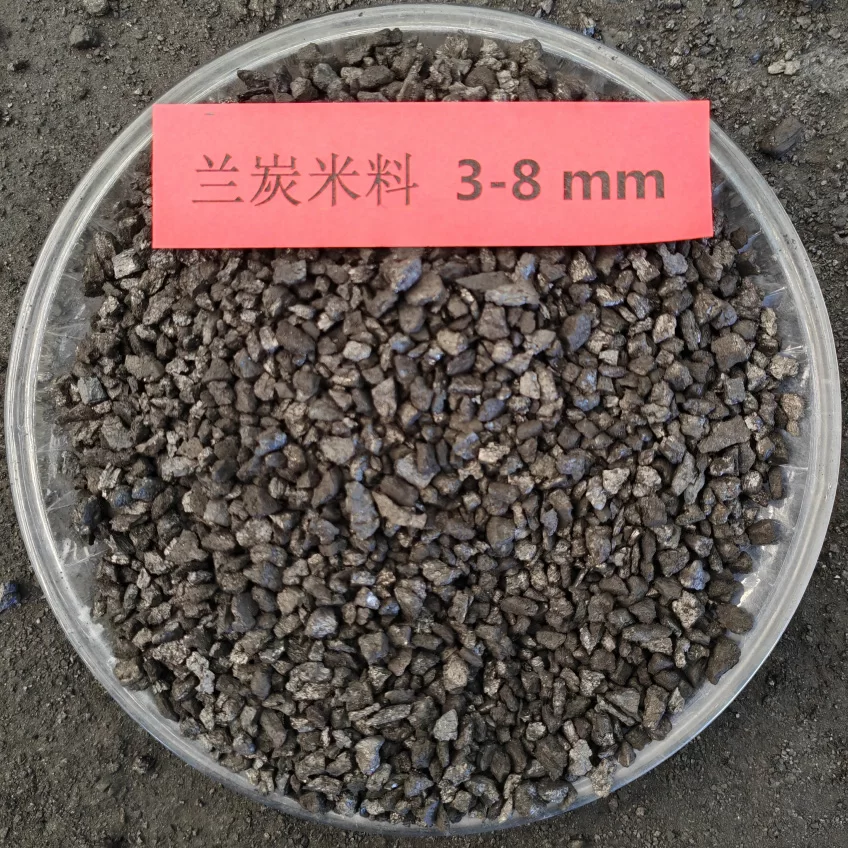
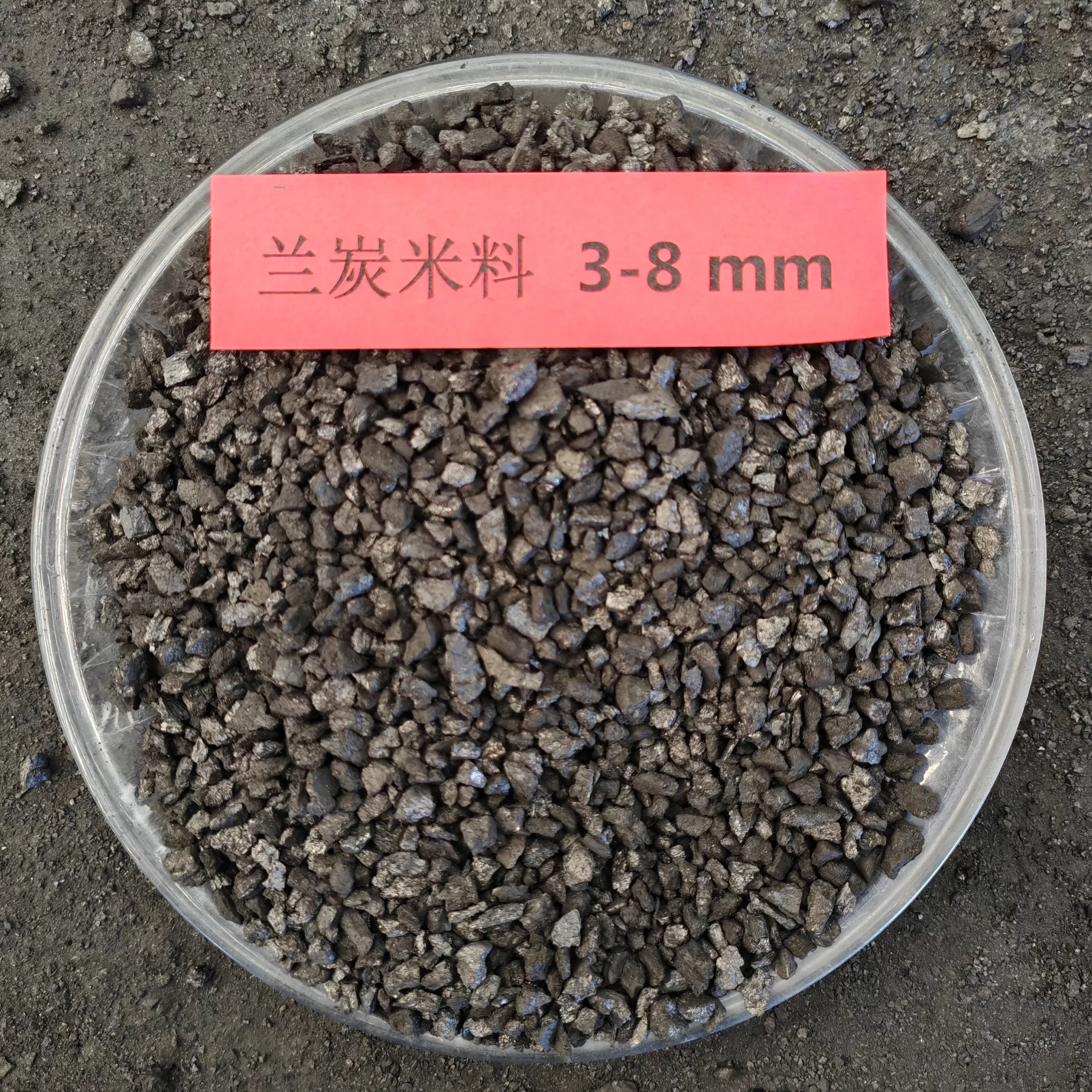
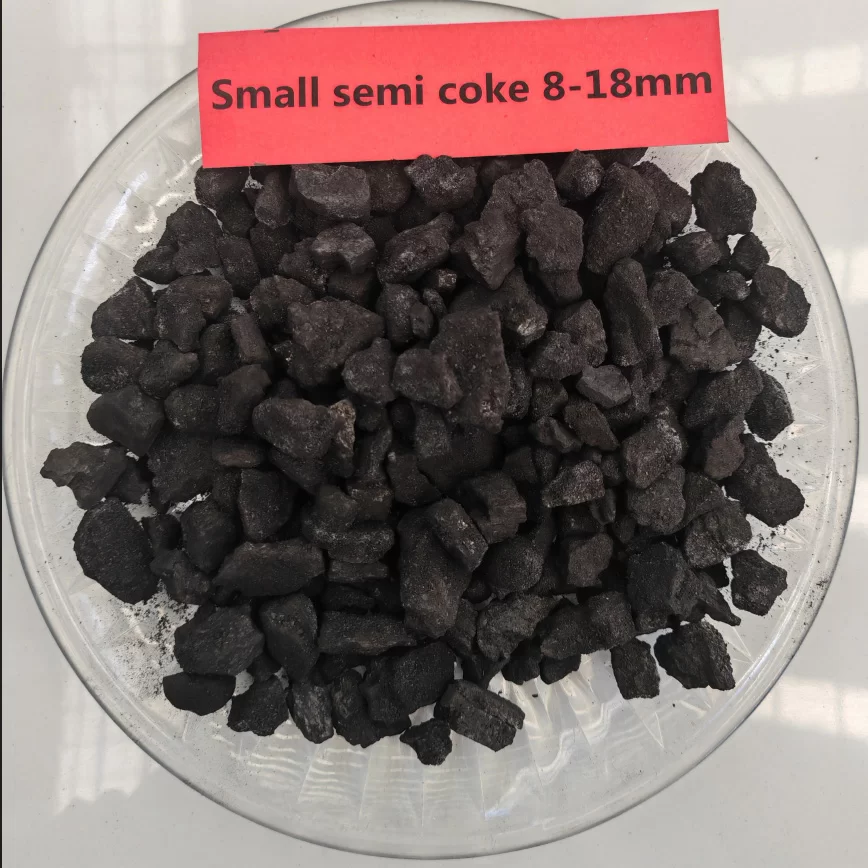
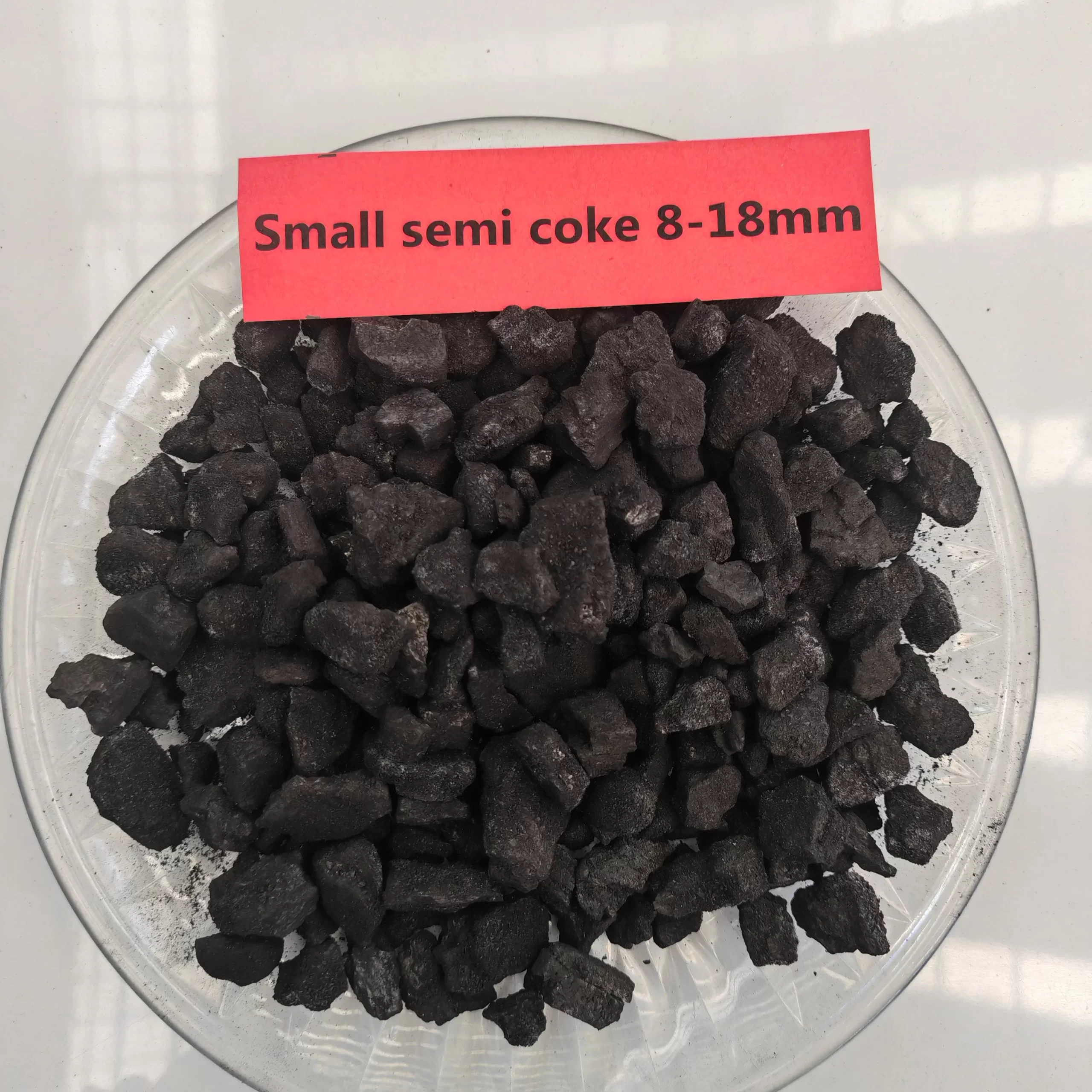
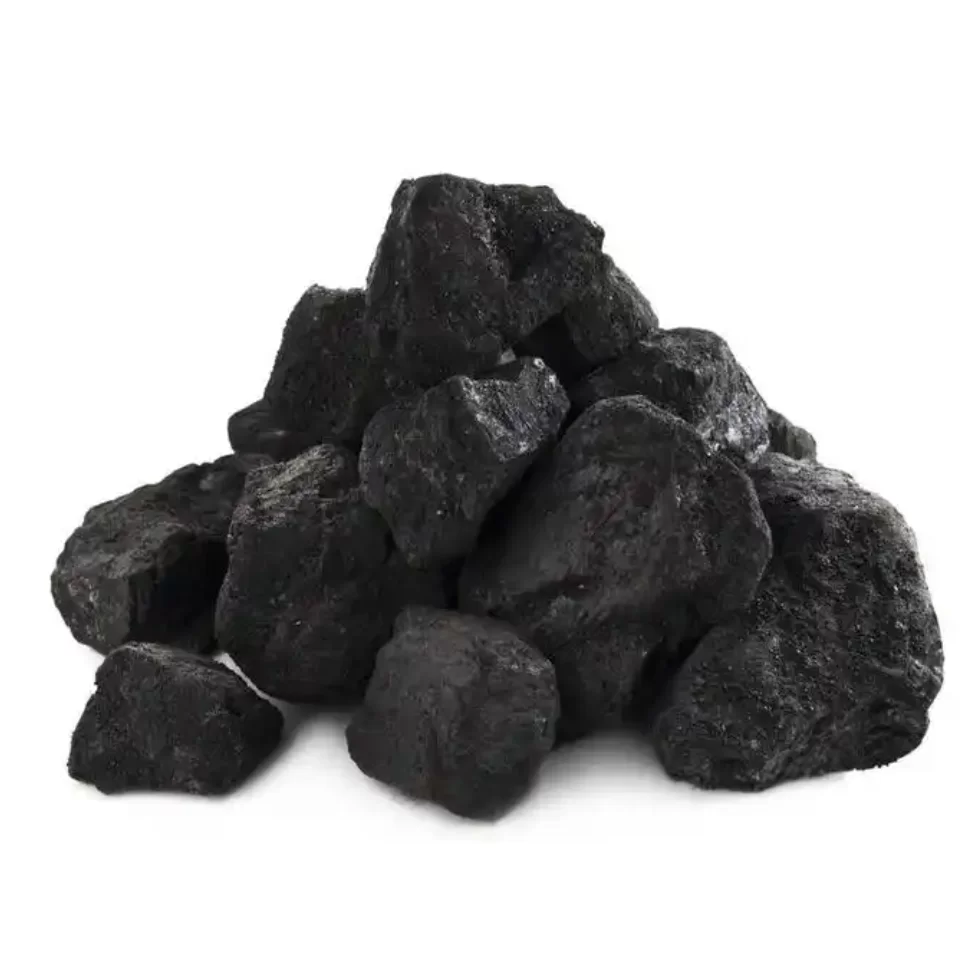
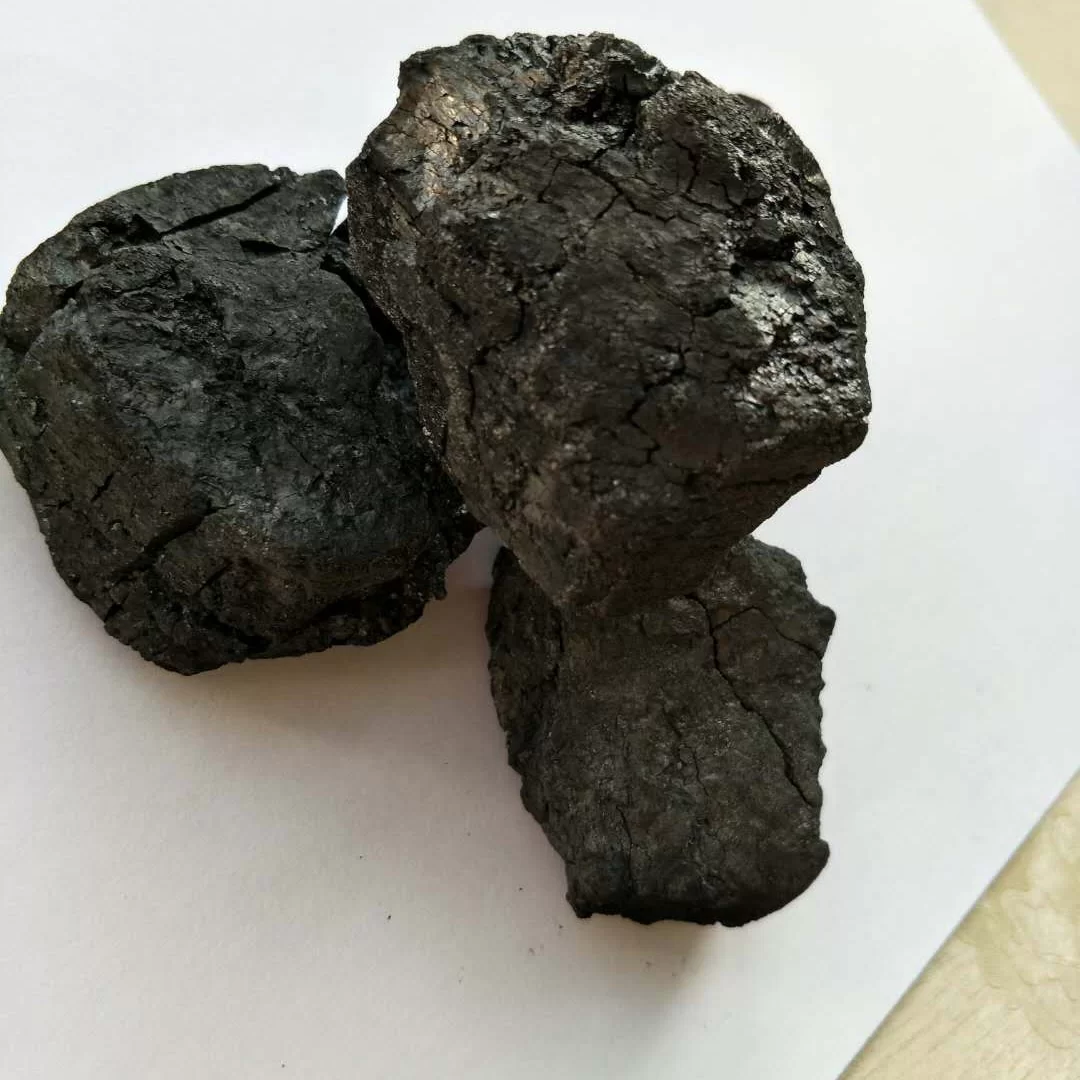
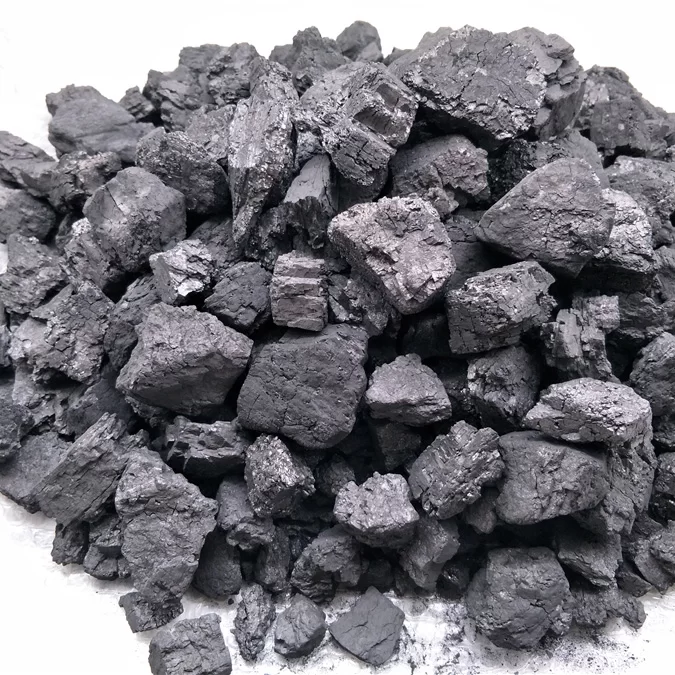
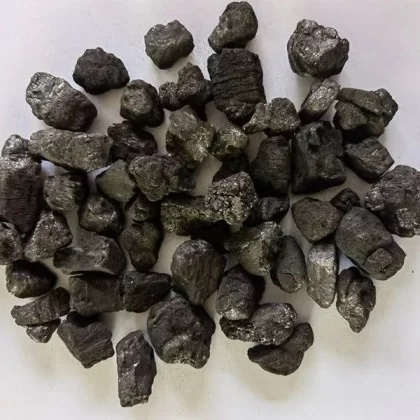
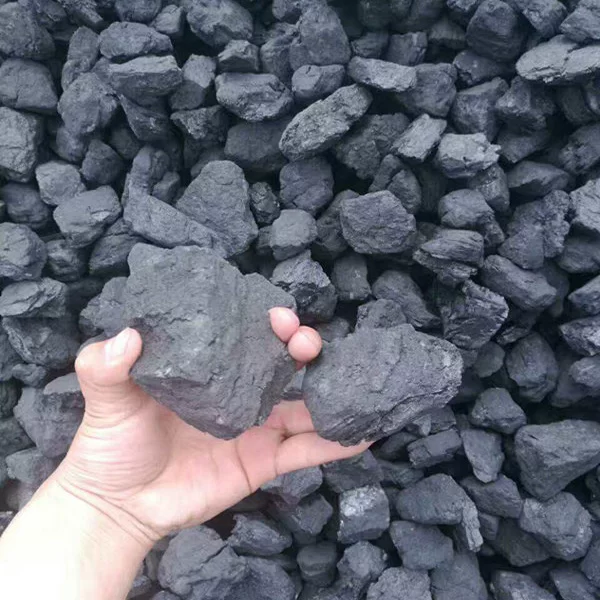
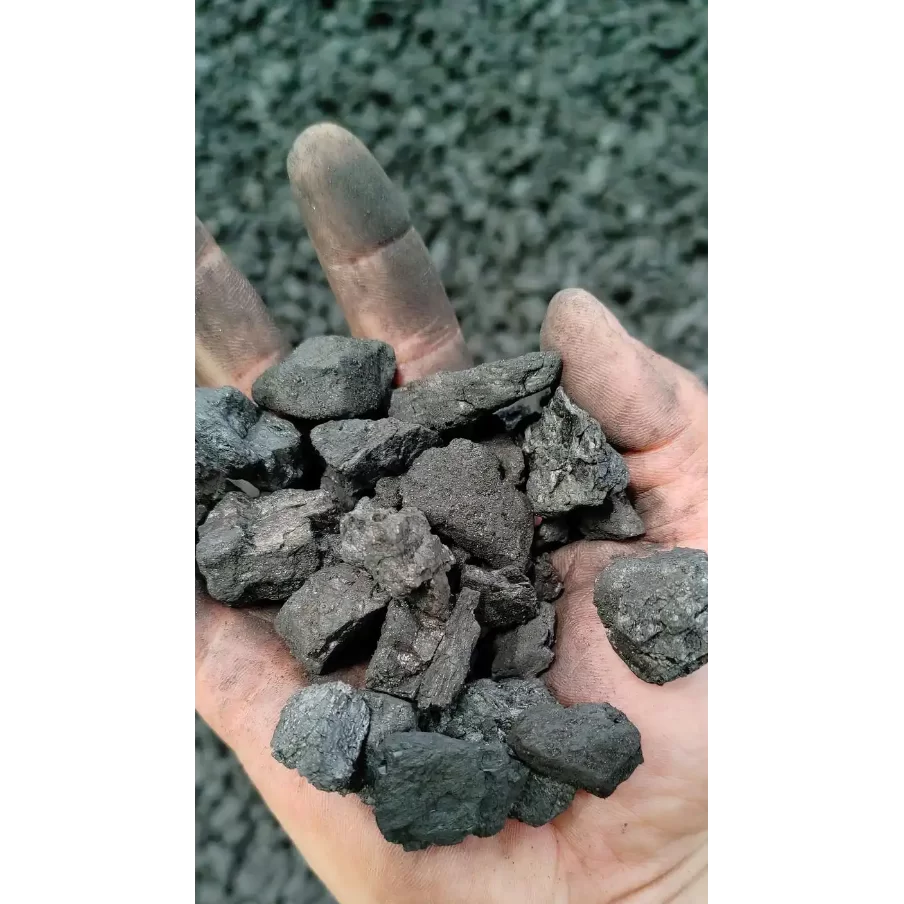
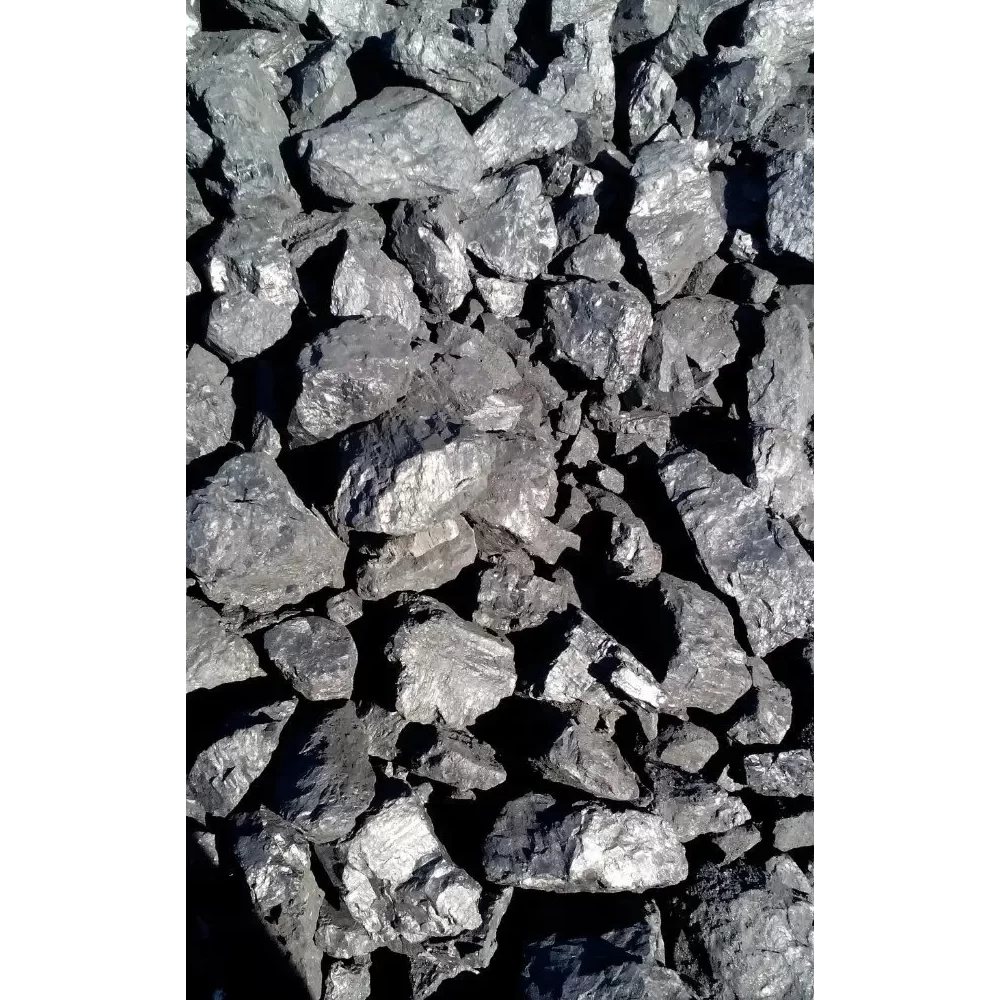
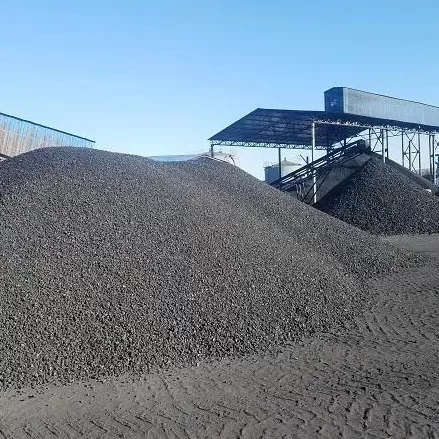
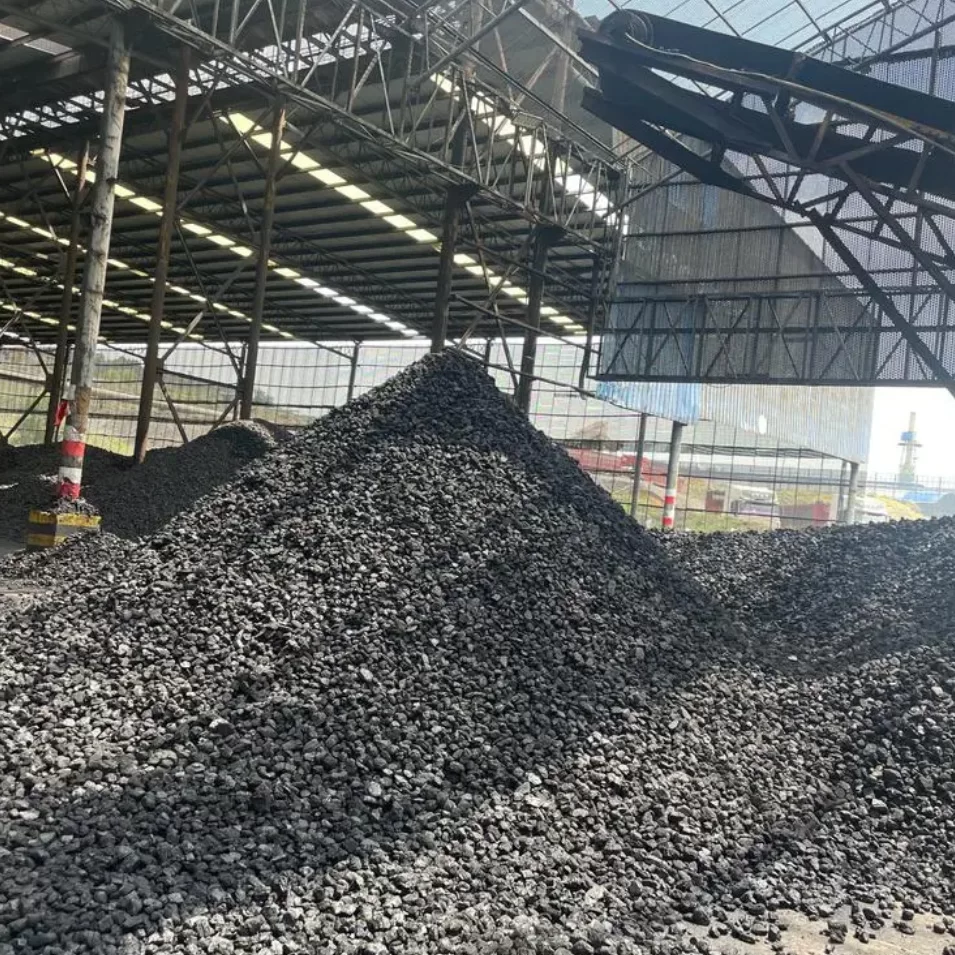
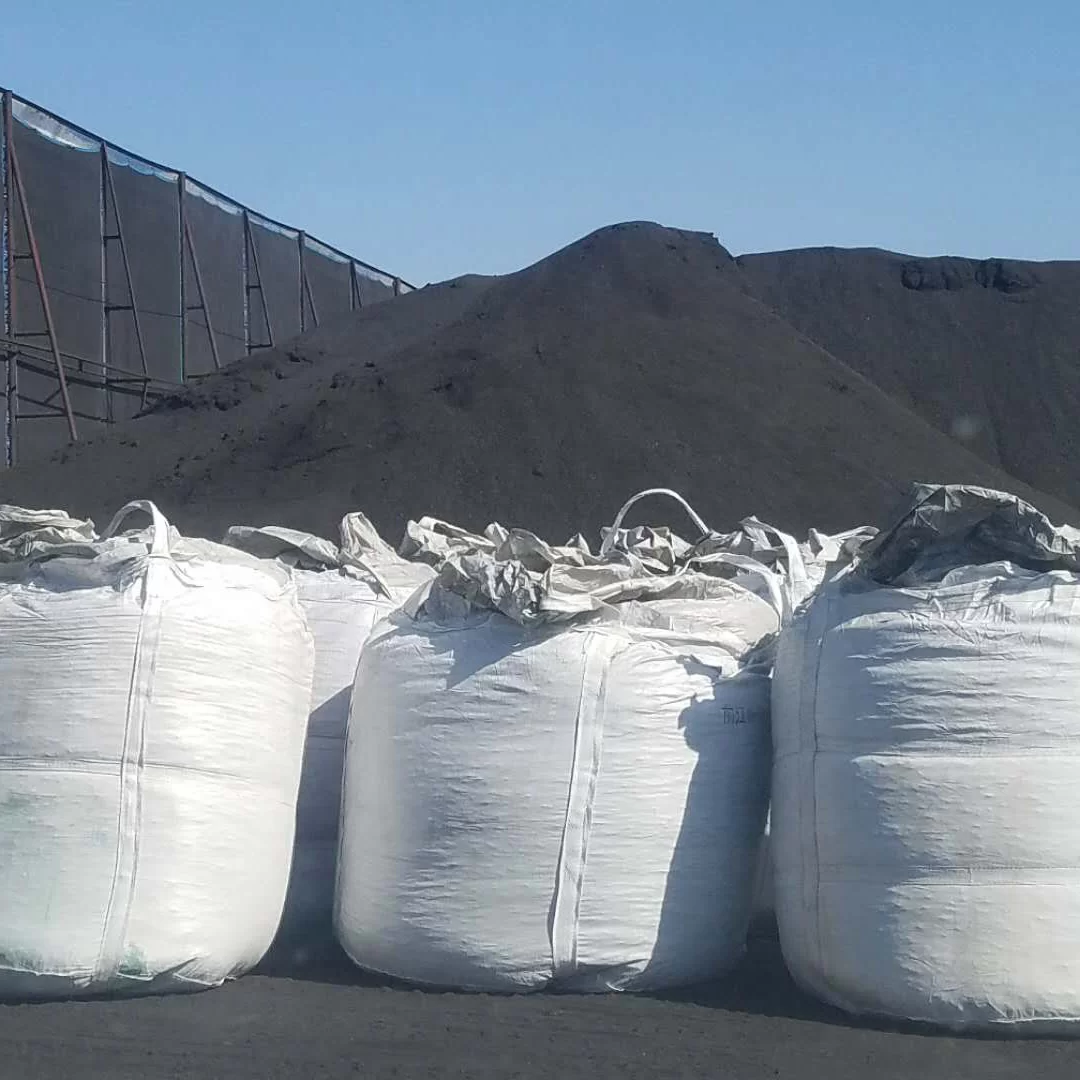
Semi-coke, also recognized as blue coal or lam coke, is a premium carbon-rich material engineered through the precise partial pyrolysis of coal or biomass. By maintaining a controlled temperature range between 500–700°C, the material undergoes low-temperature carbonization, effectively removing volatile matter such as methane, tar, and water while preserving a high concentration of fixed carbon. This results in a high-performance intermediate product that bridges the gap between raw coal and traditional metallurgical coke.
Characterized by its light black appearance, Semi-coke is highly valued in heavy industry for its exceptional chemical activity, high specific resistance, and minimal impurities. With low ash, sulfur, and phosphorus content, it serves as a critical reducing agent and fuel source across the chemical, metallurgical, and gas-making sectors, facilitating the efficient production of calcium carbide, ferroalloys, silicon carbide, and high-grade fertilizers.
Detailed Parameters
| Fixed Carbon | 60% – 85% | Volatile Matter | 10% – 25% |
|---|
| Calorific Value | 25 – 30 MJ/kg | Pyrolysis Temp | 500°C – 700°C |
|---|
| Appearance | Light Black / Blueish | Particle Size | 30mm – 60mm |
|---|
| Sulfur Content | Low | Phosphorus Content | Low |
|---|
| Ash Content | Low | Structure | High Porosity |
|---|
Key Advantages
Ultra-Low Impurities
Minimized sulfur and phosphorus levels ensure higher purity in the final metallurgical output.
Enhanced Reactivity
Developed porous structure during pyrolysis increases the surface area for faster chemical reactions.
High Fixed Carbon
Offers a significant carbon density (up to 85%), optimizing the reduction process in furnaces.
Stable Combustion
Low volatile matter reduces smoky emissions, providing a cleaner and more stable burn.
Versatile Application
Ideally suited for producing ferroalloys, silicomanganese, and calcium carbide.
Optimized Energy
Moderate calorific value makes it an efficient and cost-effective fuel for industrial use.
Product Gallery
Management Platforms
Inventory Control
Real-time monitoring of carbon stock levels to ensure seamless supply chain continuity.
Quality Assurance
Strict adherence to carbonization parameters to maintain consistent fixed carbon ratios.
Logistics Tracking
Integrated shipment tracking for bulk industrial electrode and recarburizer deliveries.
Demand Forecasting
AI-driven analysis of market trends in the non-metallic mineral products industry.
Order Optimization
Streamlined procurement platform for graphite powder and carbon coke categories.
Process Automation
Automated temperature control systems for optimized semi-coke pyrolysis.
Investment Return Comparison
| Feature | Raw Coal | Semi-Coke |
|---|
| Fixed Carbon | Low/Medium | High (60-85%) |
|---|
| Volatility | High (Smoky) | Low (Stable) |
|---|
| Reactivity | Standard | Enhanced (Porous) |
|---|
| Impurities | Variable | Minimized (Low S/P) |
|---|
| Efficiency | Baseline | Optimized ROI |
|---|
Frequently Asked Questions
Q: What is the primary difference between semi-coke and metallurgical coke?
Semi-coke is produced via low-temperature carbonization (500–700°C), retaining more volatile matter than metallurgical coke but offering higher chemical activity and a unique porous structure ideal for specific reducing agents.
Q: How is semi-coke used in the production of ferroalloys?
Due to its high fixed carbon and low phosphorus/sulfur content, semi-coke acts as a highly efficient reducing agent in electric arc furnaces to extract metals from their ores.
Q: Can semi-coke be used as an industrial fuel?
Yes, with a calorific value of 25–30 MJ/kg and low volatility, it provides a stable, low-smoke heat source for various industrial heating processes.
Q: What makes "blue coal" a desirable term for semi-coke?
The term refers to the distinct metallic blue-black luster that high-quality semi-coke exhibits, signaling a successful low-temperature carbonization process.
Q: Which industries benefit most from using semi-coke over raw coal?
The chemical industry (calcium carbide), the metallurgical industry (silicon carbide, ferrosilicon), and fertilizer manufacturers benefit from its purity and reactivity.
Q: What are the standard sizing options for industrial semi-coke?
While custom sizes are available, a common industrial standard is 30-60mm, optimized for airflow and structural support within smelting furnaces.
Ready to optimize your carbon supply chain with high-purity semi-coke?
Contact Us