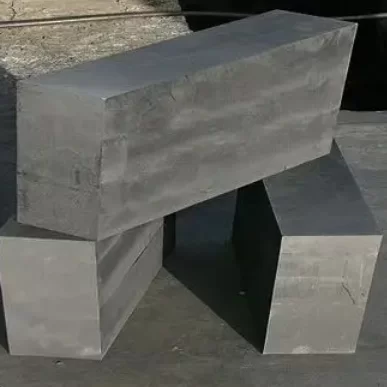
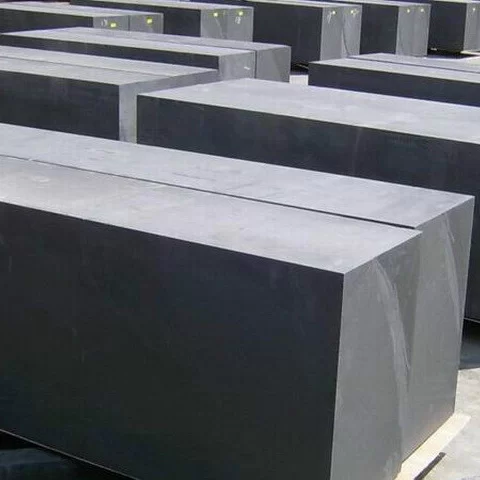
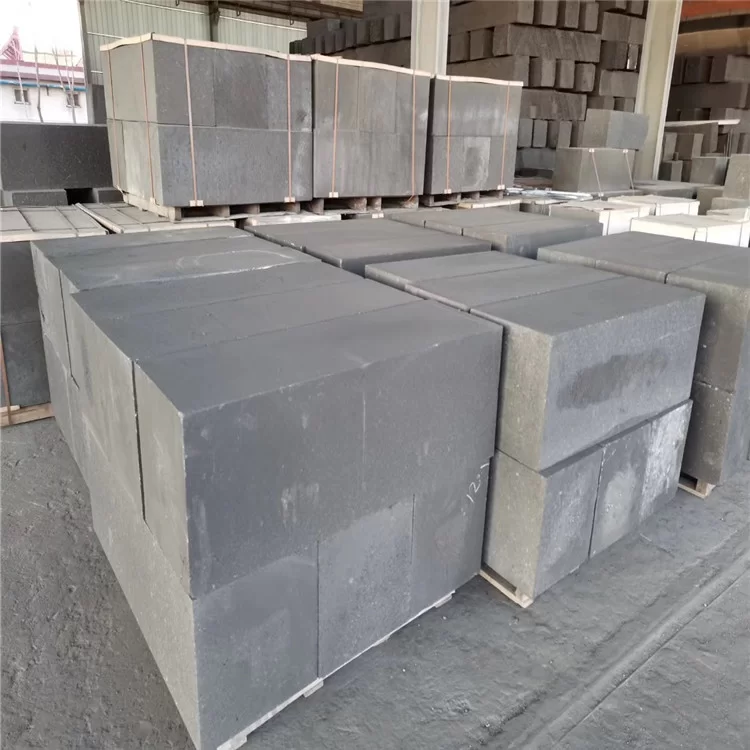
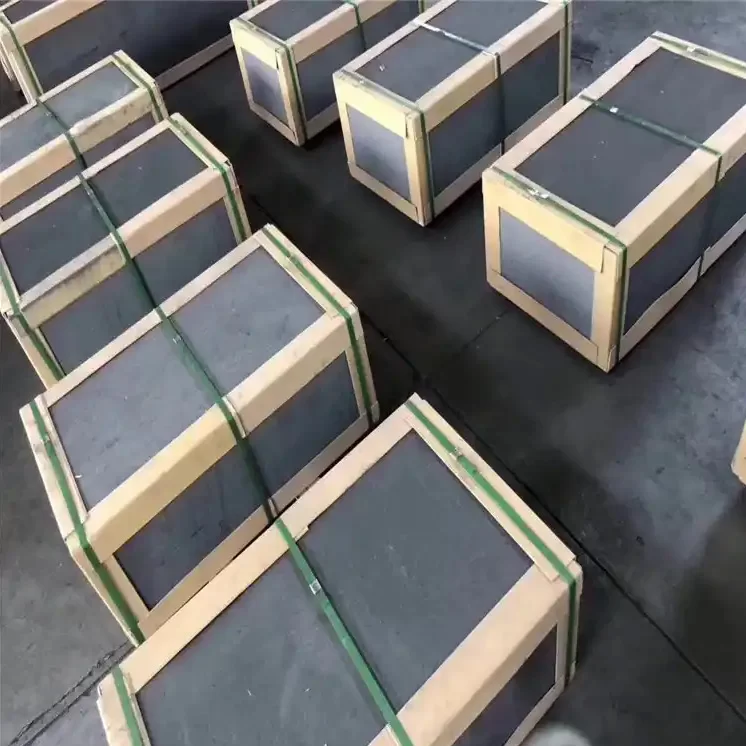
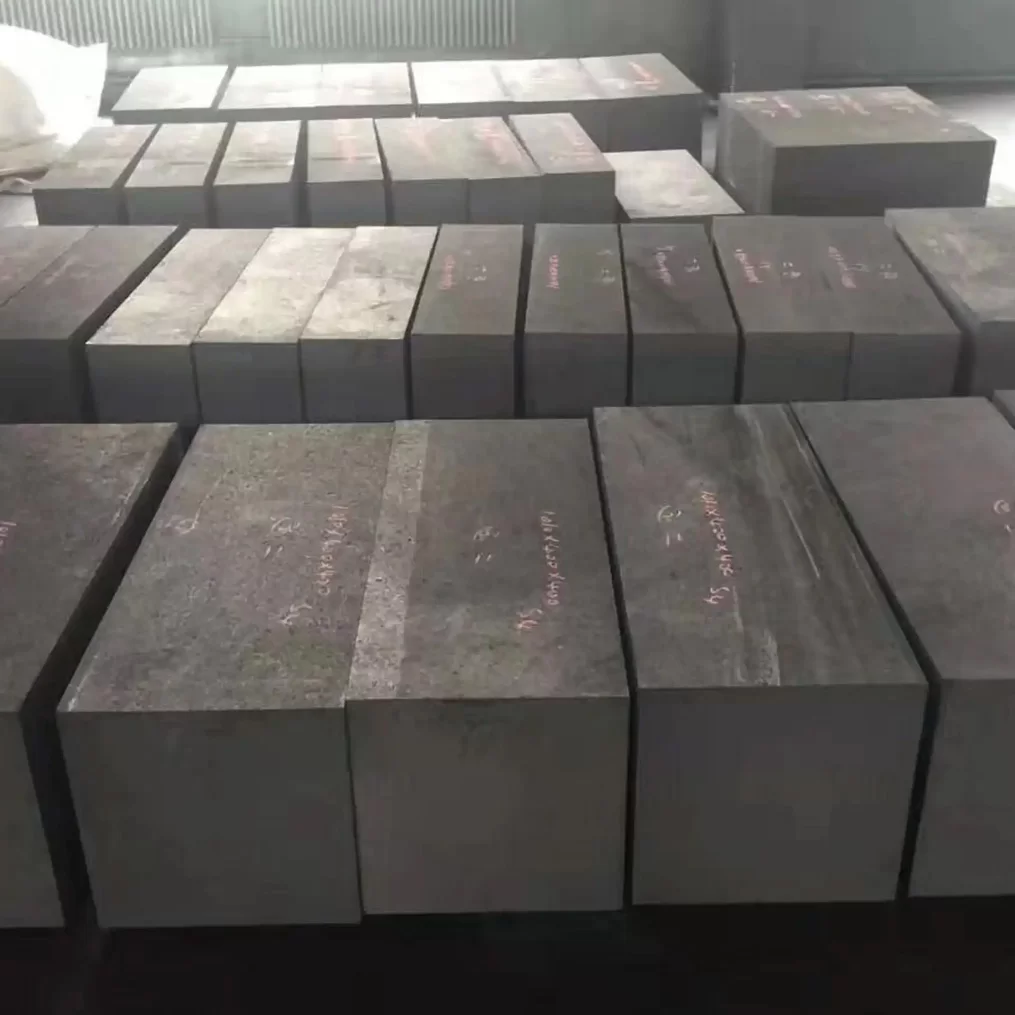
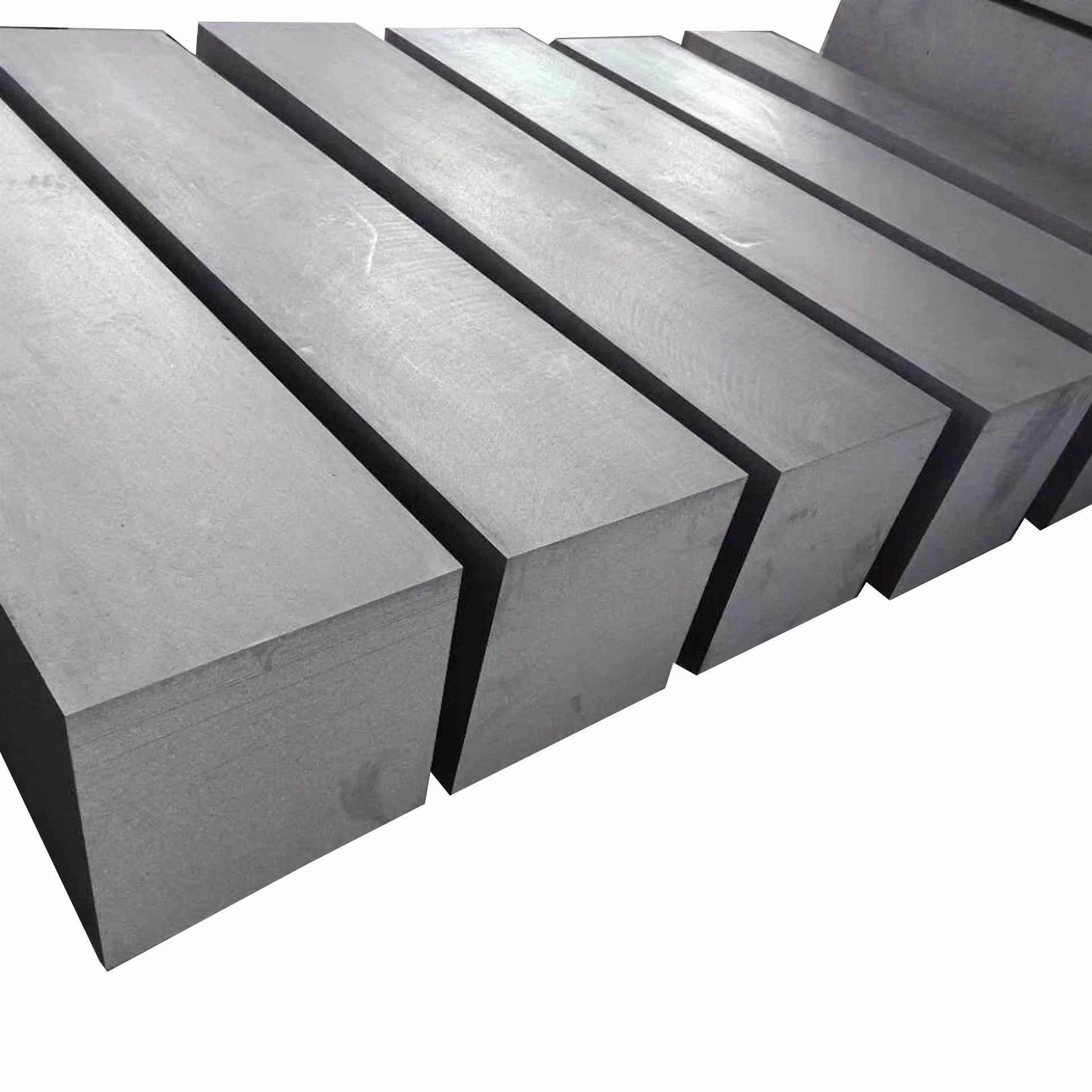
Graphite Carbon Blocks are high-performance carbonaceous refractory materials engineered from premium coke, anthracite, or graphite, blended with tar and sintered at 1450℃ in a reducing flame. With a carbon mass fraction ranging from 88% to 90%, these blocks are specifically designed to withstand the harsh environments of molten metal and aggressive slag erosion, making them indispensable for heavy industrial applications.
Primarily utilized in the construction of blast furnace bottoms and hearths, as well as in high-precision bearings and seals for turbines and motors, our graphite blocks offer an ideal balance of thermal stability and electrical conductivity. Whether serving as anodes for magnesium electrolytic cells or as the foundation for chemical heat exchangers, these blocks provide the reliability needed for continuous high-temperature operations.
Detailed Parameters
| Raw Materials | Coke, Anthracite, Graphite, and Tar | Sintering Temperature | 1450℃ (Reducing Flame) |
| Carbon Mass Fraction | 88% to 90% | Primary Function | Refractory & Conductive Material |
| Corrosion Resistance | Excellent against molten metal & slag | Oxidation Property | Susceptible to oxidation |
| Thermal Conductivity | High / Excellent | Electrical Conductivity | Strong / High Conductivity |
| Common Forms | Iso-graphite, Molded, Extruded | Processing Options | Impregnated, Oxidation Resistant |
Key Advantages
High Chemical Stability
Exceptional resistance to acids, alkalis, and organic solvents, ensuring stability in complex chemical industrial environments.
Thermal Shock Resistance
Maintains structural integrity under extreme temperature fluctuations, resisting thermal stress and cracking.
Superior Conductivity
Optimized for electrical and thermal transmission, ideal for batteries and electrolytic cell anodes.
Mechanical Strength
Engineered hardness and elasticity allow the blocks to withstand significant pressure and abrasive wear.
Self-Lubricating Effect
Provides natural lubrication at high temperatures, reducing friction in mechanical components and seals.
Customizable Specs
Physical characteristics can be precisely tuned via raw material selection and advanced manufacturing processes.
Product Gallery
Management Platforms
Material Selection
Strict control of coke and graphite purity to ensure a carbon mass fraction of 88%-90%.
Thermal Processing
Precision sintering at 1450℃ using reducing flames to maximize refractory properties.
Quality Inspection
Rigorous testing for conductivity and corrosion resistance before final delivery.
Custom Fabrication
Advanced mechanical processing for precise cutting of plates and blocks to order.
Impregnation Tech
Synthetic resin curing options to produce high-density, leak-proof chemical equipment.
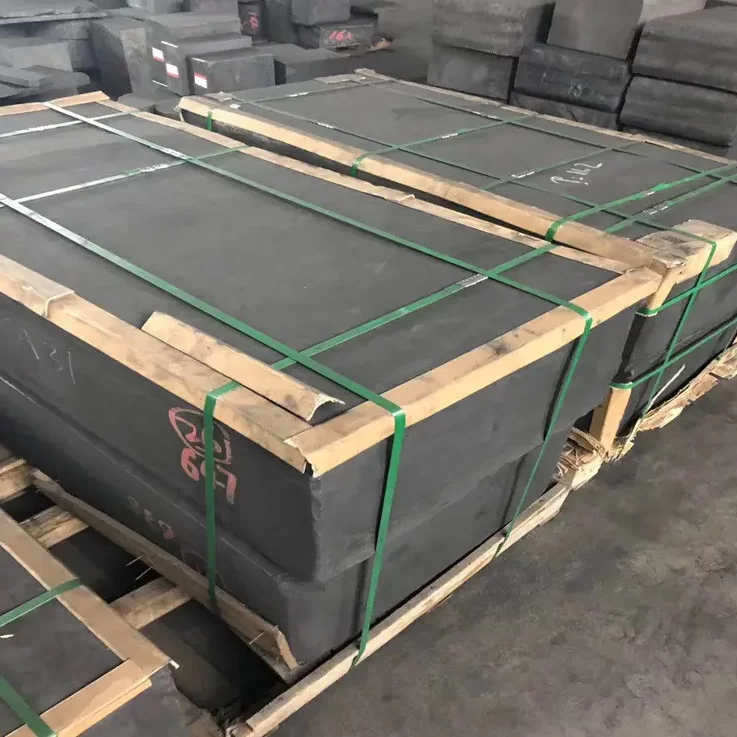
Logistics Control
Secure packaging and global shipping for oversized graphite blocks and industrial components.
Investment Return Comparison
| Feature | Standard Carbon Blocks | Premium Graphite Blocks |
|---|
| Service Life | Moderate | Extended / High Durability |
|---|
| Energy Efficiency | Standard | High (Superior Conductivity) |
|---|
| Maintenance Cost | Frequent Replacement | Low / Long Intervals |
|---|
| Chemical Resistance | Basic | Advanced (Anti-Corrosion) |
|---|
| ROI Potential | Short-term Savings | Long-term Operational Profit |
|---|
Frequently Asked Questions
Q: What is the primary application of Graphite Carbon Blocks in metallurgy?
They are primarily used for the masonry of the bottom and hearth of iron-making blast furnaces due to their ability to resist molten metal and slag erosion.
Q: How does the sintering process affect the product quality?
Sintering at 1450℃ in a reducing flame ensures the carbon mass fraction reaches 88%-90%, which is critical for the material's refractory and conductive properties.
Q: Can these graphite blocks be used in chemical equipment?
Yes, by using the block as a matrix and performing impregnation and curing with synthetic resins, they can be processed into chemical equipment like heat exchangers.
Q: What are the differences between Iso-graphite and Extruded graphite?
Iso-graphite is typically more isotropic (uniform properties in all directions), while extruded graphite has a directional grain structure, affecting thermal and electrical flow.
Q: Are Graphite Carbon Blocks prone to oxidation?
Yes, while they resist slag and molten metal, they can be oxidized. We offer specialized oxidation-resistant graphite processing to mitigate this risk.
Q: Which industries benefit most from the high conductivity of these blocks?
Industries involving electrolytic cells (like magnesium production), battery manufacturing, and high-temperature graphitization furnaces benefit significantly.
Ready to Optimize Your Industrial Refractory Solutions?
Contact Us