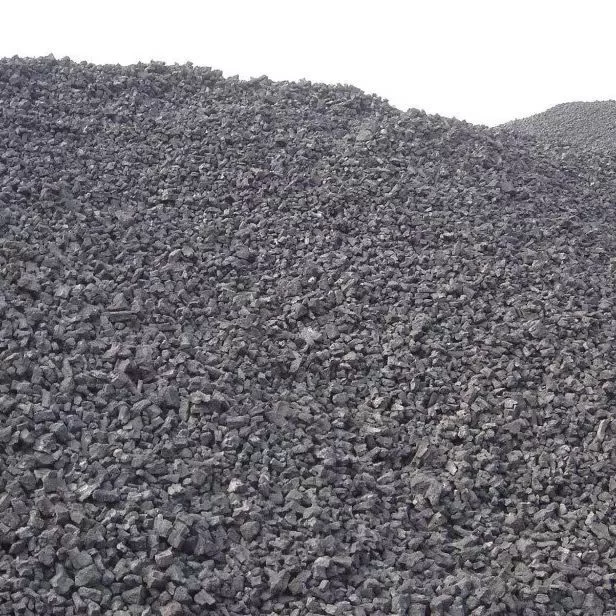
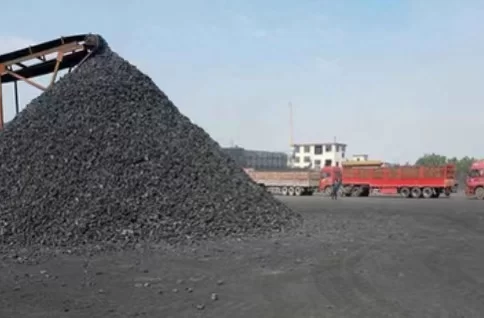
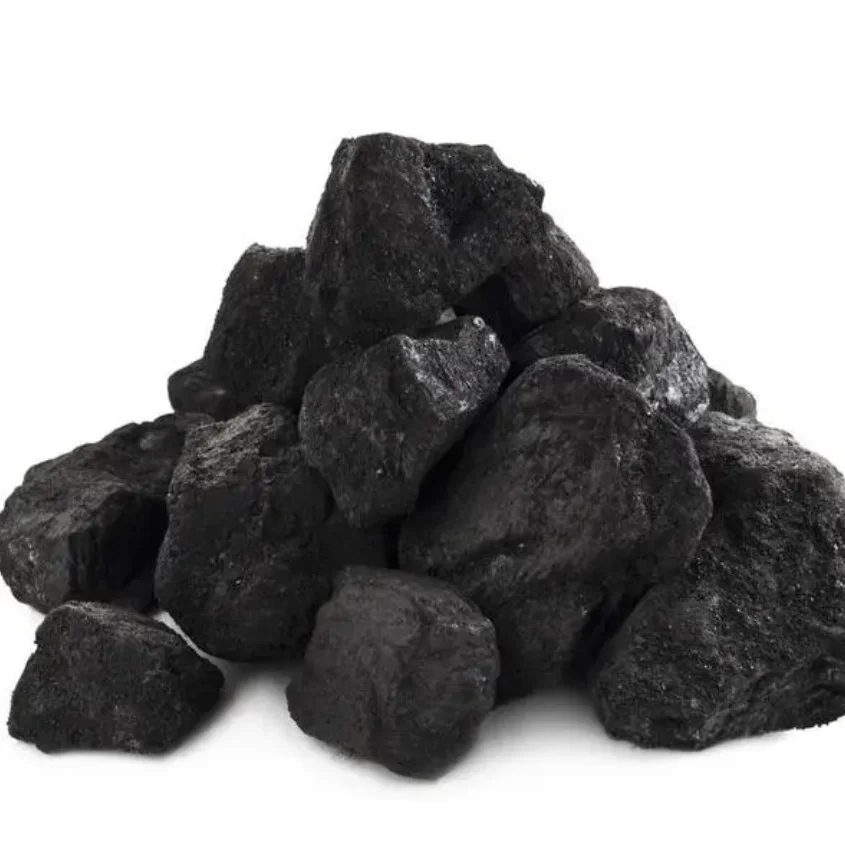
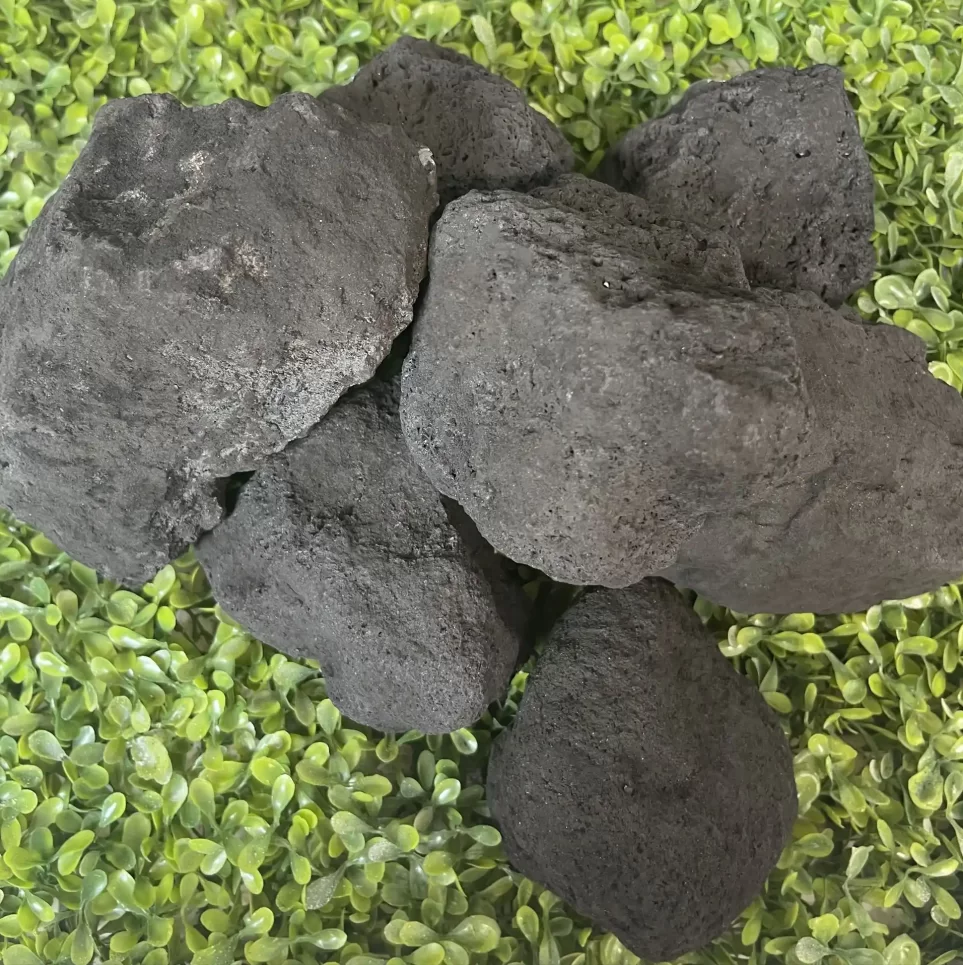
Commonly known as met coke, stands as a fundamental carbonaceous material with significant importance in a wide array of industrial applications.
Applications
Met coke plays an indispensable role in the steel industry, where it is used in the blast furnace process to produce iron and steel. It serves as both a reducing agent and a source of energy. Beyond the steel sector, it finds applications in the production of non - ferrous metals like aluminum, titanium, and silicon. In the foundry industry, it is extensively used in casting processes for its uniform heat distribution and ability to reduce impurities. It also plays a crucial role in the chemical industry as a potent reducing agent.
Metallurgical coke is produced by carbonization of coals or coal blends at temperatures up to 1400K to produce a macroporous carbon material of high strength and relatively large size.It is mainly used in metallurgical and chemical industries.
Coke is primarily used to smelt iron ore and other bearing materials in blast furnaces, acting both as a source of heat and as a chemical reducing agent to produce iron or hot metal.
Metallurgical Coke - Technical Specification
1.Quality Specifications
Parameter | Tolerance | Non-conformity Point | Rejection Point |
Total Moisture | Max 4.00% | > 4.00% | > 8.00% |
Ash Content | Max 11.00% | > 11.00% | > 12.00% |
Volatile Matter (dry) | Max 1.00% | > 1.00% | > 1.20% |
Sulfur (S) | Max 0.80% | > 0.80% | > 0.90% |
Phosphorus (P) | Max 0.060% | > 0.060% | > 0.065% |
Alkalis in ash (Na2O + K2O) | Max 2.5% | > 2.5% | > 2.5% |
CSR | Min 62.00 | 30 |
M10 | Max 8.00% | > 8.00% | > 8.00% |
M40 | 80 - 84 | 84 | 87 |
2. Grain Size Distribution (Granulometry)
Size Range (mm) | Tolerance | Non-conformity Point | Rejection Point |
> 80 mm | Max 6.00% | > 6.00% | > 8.00% |
5.00% | > 6.00% |
Understanding Met Coke and Metallurgical Coke Production at Up to 1400K
Met coke is a carbonaceous material produced by carbonizing coal or coal blends at high temperatures. It is mainly used in metallurgical and chemical industries because of its high strength, relatively large size and macroporous carbon structure. In industrial applications, met coke can function as both a source of heat and a chemical reducing agent, making it an important material for blast furnace ironmaking and other high-temperature processes.
The production process begins with a raw coal blend prepared for coking. During the manufacture of metallurgical coke, the coal or coal blend is subjected to high-temperature carbonization at temperatures of up to 1400K. This process transforms the original coal material into a stronger carbonaceous product with the physical characteristics required for metallurgical applications.
The high-temperature carbonization process is closely related to the quality of the finished product. Rather than being used directly as coal, the carbonized material has a macroporous structure and relatively large size. Its high strength is particularly relevant to furnace applications where the coke needs to withstand mechanical conditions during handling and operation.
Understanding the manufacturing process also helps procurement teams assess the relationship between production and final performance. The use of coal or coal blends followed by carbonization at up to 1400K creates the finished carbonaceous material used in metallurgical applications. For buyers, this production background provides useful context when reviewing the product specification and determining whether the material is suitable for a particular industrial process.
Evaluating Met Coke Specification Through CSR, CRI, M40 and M10
A clear met coke specification is essential when evaluating coke for demanding metallurgical applications. The supplied product has defined chemical, thermal and mechanical indicators, allowing buyers to review the material according to measurable requirements. Instead of assessing coke only by its general appearance or product name, procurement teams can consider moisture, ash, volatile matter, sulfur, phosphorus, CSR, CRI, M40 and M10 as a complete quality profile.
Thermal performance is represented by CSR and CRI. The supplied met coke has a minimum CSR of 62.00 and a CRI range of 24–30. These indicators are particularly relevant when evaluating coke for high-temperature metallurgical processes because they provide information about coke behavior under reactive furnace conditions.
Mechanical strength is specified through M40 and M10. The product has an M40 range of 80–84 and an M10 maximum of 8.00%. These values are important when considering the physical performance of coke during industrial handling and furnace operation.
Grain size is also included in the product information. Material above 80 mm has a maximum tolerance of 6.00%, while material below 25 mm has a maximum tolerance of 5.00%. This provides buyers with additional information when confirming the physical requirements of an industrial order.
The value of a detailed met coke specification is that it connects the product directly with technical requirements. A steel producer or metallurgical facility can review the supplied figures and determine which parameters are most relevant to its process. The combination of CSR, CRI, M40, M10 and chemical composition gives a more complete understanding of the material than a single quality indicator.
The product's defined specification also helps make communication between technical and purchasing teams more precise. When discussing coal and coke for sale, buyers can refer to specific values and size requirements rather than relying on broad descriptions. This makes the selection and quotation process more straightforward for industrial applications.
Where Met Coke Uses Fit in Steelmaking and Metallurgical Applications
The main met coke uses are concentrated in steelmaking, non-ferrous metal production, foundry processes and chemical industries. Among these applications, blast furnace ironmaking is one of the most important. In the blast furnace, metallurgical coke serves both as a source of heat and as a chemical reducing agent during the production of iron or hot metal.
The product is manufactured as a high-strength, macroporous carbon material with relatively large size. These characteristics are relevant to its industrial role. In blast furnace operations, coke is part of the high-temperature metallurgical process rather than simply a conventional fuel. Its physical and chemical properties therefore need to correspond with the requirements of the furnace.
Beyond ironmaking, the stated met coke uses include the production of non-ferrous metals such as aluminum, titanium and silicon. The product is also used in the chemical industry as a reducing agent. These applications demonstrate the broader industrial function of metallurgical coke in processes requiring carbonaceous material for high-temperature treatment or chemical reduction.
The product also has applications in the foundry industry, where it is used in casting processes. For buyers considering different coke products, the intended process should be established first. Foundry applications can have different requirements from blast furnace ironmaking, so the appropriate product should be selected according to the actual operating conditions and technical requirements.
Application | Main
Role |
Blast
furnace ironmaking | Heat
source and chemical reducing agent |
Steel
industry | Iron
and steel production |
Non-ferrous
metal production | Aluminum,
titanium and silicon production |
Foundry
industry | Casting
processes |
Chemical
industry | Reducing
agent |
The relationship between metallurgical coke and its applications is also reflected in the product specification. CSR, CRI, M40 and M10 provide technical indicators for evaluating the material, while ash, sulfur, phosphorus, moisture and volatile matter describe its chemical profile. Grain-size distribution adds another physical consideration for industrial buyers.
For procurement teams, understanding met coke uses can make product selection more efficient. Instead of treating all coke products as interchangeable, buyers can identify the intended application and then review the relevant technical parameters. For blast furnace applications, the supplied specification provides clear reference values for thermal and mechanical performance.
The product's application range also means that it can be considered for several industrial sectors. However, suitability should always be determined against the requirements of the specific process. The stated met coke uses provide a starting point, while the technical specification allows buyers to make a more detailed assessment.
Metallurgical Coke vs Foundry Coke: Which Material Fits Your Process?
Metallurgical coke and foundry coke are both carbonaceous materials used in high-temperature industrial processes, but their application focus is different. Understanding this distinction can help buyers select the appropriate material before discussing quantity, size and shipment requirements.
The supplied met coke is mainly used in metallurgical and chemical industries. Its principal application is blast furnace ironmaking, where it functions as both a heat source and a chemical reducing agent. It is also used in non-ferrous metal production, foundry processes and chemical applications.
Foundry coke is more closely associated with foundry melting applications. For buyers working with casting operations, the intended furnace and process should therefore be considered before selecting between the two materials. The two products should not be treated as automatically interchangeable simply because both are carbonaceous materials used at high temperatures.
For steel industry buyers, metallurgical coke selection can focus on the supplied CSR, CRI, M40 and M10 values together with chemical indicators such as ash, sulfur and phosphorus. The product has a minimum CSR of 62.00, CRI of 24–30, M40 of 80–84 and M10 of no more than 8.00%.
For foundry buyers, the application should instead be matched with the requirements of the casting process. Foundry coke is a separate product category and should be evaluated according to its own application and product characteristics.
This comparison is useful for procurement teams because it reduces confusion during the initial product selection stage. A buyer can first identify whether the project involves blast furnace ironmaking, non-ferrous metal production, chemical reduction or foundry melting, and then review the appropriate coke specification.
The supplied metallurgical coke is specifically supported by documented technical parameters rather than a general application description. This allows buyers to connect the product with actual process requirements and determine whether its quality profile corresponds with the intended use.
For projects requiring blast furnace coke, the combination of manufacturing process, physical characteristics and technical indicators provides a practical basis for evaluation. For foundry projects, the selection should be made according to the separate requirements of foundry coke. Keeping these applications distinct helps buyers obtain the right material without unnecessary product comparison.
Planning Met Coke Suppliers Orders Around Size, Packaging and Shipment
When purchasing from met coke suppliers, industrial buyers need to consider both product requirements and logistics. The supplied product has defined technical specifications and grain-size requirements, while packaging and shipment arrangements can be discussed according to the needs of the order.
Grain-size distribution is an important part of the product information. Material above 80 mm has a maximum tolerance of 6.00%, while material below 25 mm has a maximum tolerance of 5.00%. Buyers should communicate their required size range when discussing an order so that the material requirements are clear before shipment.
The technical profile should also remain central to purchasing discussions. The supplied metallurgical coke has a maximum moisture content of 4.00%, maximum ash content of 11.00%, maximum dry volatile matter of 1.00%, maximum sulfur of 0.80% and maximum phosphorus of 0.060%. CSR is specified at a minimum of 62.00, CRI at 24–30, M40 at 80–84 and M10 at a maximum of 8.00%.
Packaging options include ton bags and bulk container shipment. These options give buyers flexibility when planning transportation and material handling. The preferred method can be established according to the project's logistics requirements, order quantity and handling arrangements.
For met coke suppliers, an effective purchasing inquiry should clearly identify the intended application, required size, quantity, packaging preference and shipment requirements. This information allows the technical specification and commercial arrangement to be discussed together rather than treating the product as a generic bulk commodity.
The product's manufacturing route can also be considered during procurement. It is produced by carbonization of coal or coal blends at temperatures up to 1400K, resulting in a macroporous carbon material with high strength and relatively large size. These characteristics correspond with its stated applications in metallurgical and chemical industries.
For buyers comparing suppliers, a clear specification provides a more useful basis than price alone. The product's documented chemical, thermal and mechanical indicators can be reviewed alongside size and shipment requirements. This helps procurement teams establish whether the material corresponds with the intended application before finalizing an order.
Overall, purchasing metallurgical coke should connect three elements: technical suitability, physical size and practical delivery requirements. Once these points are confirmed, discussions with met coke suppliers can be based on clear product information and specific project needs rather than broad product descriptions.